The King's State Room
The King's State Room was the most significant secular room in the castle and in the entire Eastern region of the Swedish Empire (today's Finland) from the beginning of the 14th century to the mid-16th century. Almost all of the kingdom's medieval kings have stood under the hall's impressive groin vaults. Banquets were held in the room, guests were received and important negotiations were held – the kingdom was ruled from wherever the ruler was. Regent Sten Sture the Elder visited Turku more often than other rulers, and the castle also received its share of his splendid court life. The last king to make important decisions and hold luxurious celebrations in these rooms was Gustav Vasa, who visited Turku in 1530 and 1555. In 1556, he appointed John, his son, Duke of Finland.
In the Middle Ages, the castle kitchen was located on the other side of the inner courtyard, on the lowest floor of the medieval keep. From there, servants carried delicacies all the way to the tables in the King's State Room. The tables in the room were likely placed along the room's walls, leaving the space in the middle of the floor for potential entertainers to perform.
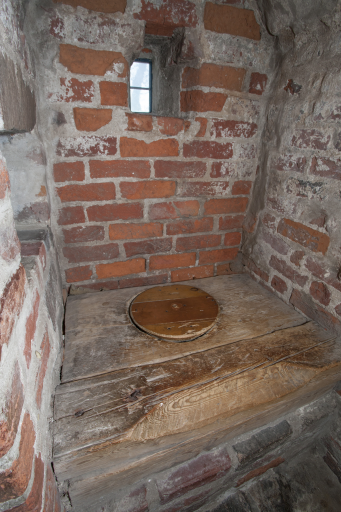
Light entered the King's State Room from the tall Gothic windows overlooking the castle courtyard. Dark rooms were also lit with tapers, torches, and candles. On the other side of the hall, inside the windowless outer wall, there is a walkway. There are also two closets on the same wall, one of which was storage space and the other was the king's privy.

Your feedback is important
Was this information helpful?